
Those interested in organizing a special session are urged to contact the Conference Chairs at giuseppe.pitarresi@unipa.it and pir3@pitt.edu with a concise title and a short description.
Approved sessions will be posted on the website as soon as possible.
Click here to download the Special Session Template
SS#01 - Non-Destructive Monitoring of Structural Integrity

Dimitrios Aggelis
Department Mechanics of Materials and Constructions, Vrije Universiteit Brussel (VUB), Pleinlaan 2, 1050, Brussels, Belgium
Dimitrios.aggelis@vub.be
Giuseppe Lacidogna
Department of Structural, Geotechnical and Building Engineering, Politecnico di Torino, Corso Duca degli Abruzzi 24, 10129, Torino, Italy.
giuseppe.lacidogna@polito.it.
Danilo D’Angela
University of Naples Federico II
Polytechnic and Basic Sciences School
Dept. of Structures for Engineering and Architecture, DIST
Naples, Italy
danilo.dangela@unina.it
Proper condition evaluation and maintenance are essential for structures in all fields of engineering. In addition, the increase of performance requirements for contemporary materials calls for better control of the structural Integrity. This leads to an urgent necessity to upgrade the capabilities of non-destructive inspection of existing structures aiming at prolonging their safe operational life and increase the safety level and lessen the economic impact of carrying out extensive repairs or new construction. Quantitatively ensuring the integrity of structures is essential for achieving sustainable infrastructure worldwide. In this context, non-destructive testing (NDT) methods can be employed both in situ and under laboratory conditions, where they play a vital role. This session welcomes contributions from all areas of NDT—whether applied on-site or developed in the laboratory—for assessing damage, evaluating repair effectiveness, and characterizing or advancing innovative materials.
SS#02 - Additive Manufacturing of High Integrity Parts

Professor Paul Wood, PhD
Institute of Innovation in Sustainable Engineering, College of Science and Engineering, University of Derby, Derby DE22 1GB, UK
p.wood7@derby.ac.uk

Dr. Urvashi F Gunputh
Institute of Innovation in Sustainable Engineering, College of Science and Engineering, University of Derby, Markeaton St, Derby DE22 3AW
U.Gunputh@derby.ac.uk
The additive manufacturing of metals and their alloys is driven by freedom of design and efficiency in manufacturing. These factors have the greatest impact on healthcare, aviation, construction, and nuclear sectors. There remain, however, barriers to the use of metal and polymer additive manufacturing (AM). Especially understanding the processing effects on the developed microstructures and defects, and how these impact the properties of the parts made using either powder or wire feedstocks. These challenges are especially acute in those industry sectors that are highly regulated and demand consistent high integrity parts.
To accelerate the pace of the wider adoption of AM in regulated industry sectors, this special session invites papers and presentations on topics that tackle the barriers to the use of metals and polymers made by AM. The latest thinking on this topic from research active academics covering for example the pre-processing, processing and post-processing treatments of materials made by AM, and how defects can be mitigated and properties enhanced are especially welcomed.
SS#03 - Experimental and Numerical Mechanics for Sustainable Additive Manufacturing of Polymers and Fiber-Reinforced Composites

Guido Di Bella
Department of Engineering, University of Messina, Contrada di Dio, 98166
Messina, Italy
guido.dibella@unime.it
Mohamed Chairi
CNR ITAE, Salita S. Lucia sopra Contesse 5, 98126 Messina, Italy
mohamedchairi@cnr.it
This Special Session focuses on advanced experimental and numerical methods for the mechanical characterization of additively manufactured polymer components and fiber-reinforced composites. The growing use of AM for structural applications requires a deeper understanding of how processing parameters, material architectures, and manufacturing strategies influence the mechanical response of printed parts. The session covers a wide range of polymer families, including thermoplastics, thermosets, photo-curable resins (mSLA/DLP), bio-based formulations, and recycled polymers, with particular interest in extrusion-based technologies such as Fused Filament Fabrication (FFF), widely employed for both neat polymers and composite systems.
Specific attention is devoted to polymer matrix composites reinforced with conventional fibers (carbon, glass, aramid) and natural or bio-derived fibers, whose relevance is increasing within sustainability-driven design. Topics include fatigue and fracture behavior, residual stress development, micro-mechanical mechanisms, thermal and thermo-mechanical responses, and the role of process-induced defects. Contributions on multi-material interfaces, hybrid deposition strategies, TPMS lattices, architected structures, and in-situ or full-field monitoring techniques are also encouraged.
Numerical studies, such as finite element simulations, multi-scale or physics-based models, and data-driven predictive frameworks, are welcome, particularly when linking manufacturing parameters and fiber architectures to structural performance. Sustainability-oriented assessments and integrated experimental–numerical methodologies supporting efficient and environmentally responsible AM processes are strongly invited.
SS#04 - Wood Mechanics and Timber Engineering

Michael Schweigler
Department of Building Technology, Linnaeus University, Växjö, Sweden
michael.schweigler@lnu.se
Michael Dorn
Department of Building Technology, Linnaeus University, Växjö, Sweden
michael.dorn@lnu.se
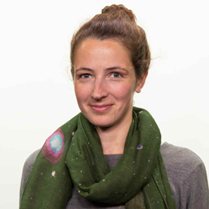
Eva Binder
Department of Building Technology, Linnaeus University, Växjö, Sweden
eva.binder@lnu.se

Carmen Sandhaas
Timber Structures and Building Construction, Karlsruhe Institute of Technology, Germany
carmen.sandhaas@kit.edu

Luis Zelaya-Lainez
Institute of Mechanics of Materials and Structures, TU Wien – Vienna University of Technology, Austria
luis.zelaya@tuwien.ac.at
This special session invites contributions that advance experimental mechanics in wood and timber research across all scales. Topics include:
• Microscale: cell behavior, fibers, pulp, and paper
• Macroscale: solid wood, engineered wood products, laminated members
• Structural scale: building applications, construction details, historical timber structures
• Connections: traditional joinery, glued joints, mechanical fasteners
• Wood-based biocomposites: from micro- to macroscale
• Hybrid and composite timber systems
• Monitoring and structural health assessment
• Damage and failure mechanisms in wood, wood products, and biocomposites
• Novel measurement systems for wood mechanics
• Time- and moisture-dependent behavior
• Complex loading cases: biaxial, dynamic, hygromechanical
• Non-conventional species as building materials, including hardwood
The session aims to foster discussion on innovative experimental methods, material characterization, and structural performance, supporting sustainable and resilient timber construction. Researchers are encouraged to submit abstracts presenting new findings, methodologies, and applications in the field of wood mechanics and timber engineering.
SS#05 - Experimental Mechanics in Extreme and Complex Environments
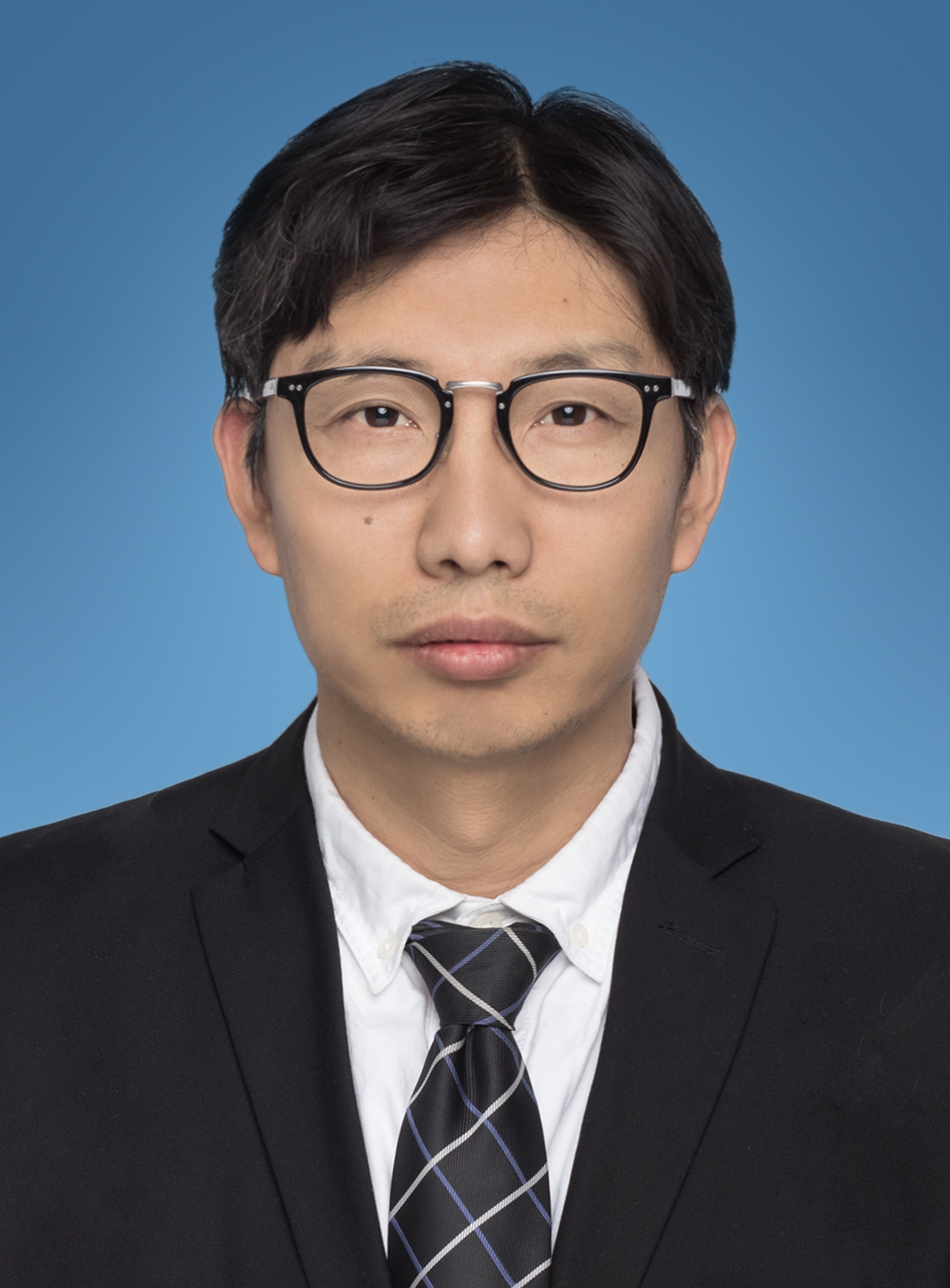
Xingyi Zhang
Department of Mechanics and Engineering Sciences, College of Civil Engineering and Mechanics, Lanzhou University, Lanzhou, Gansu 730000, PR China
zhangxingyi@lzu.edu.cn
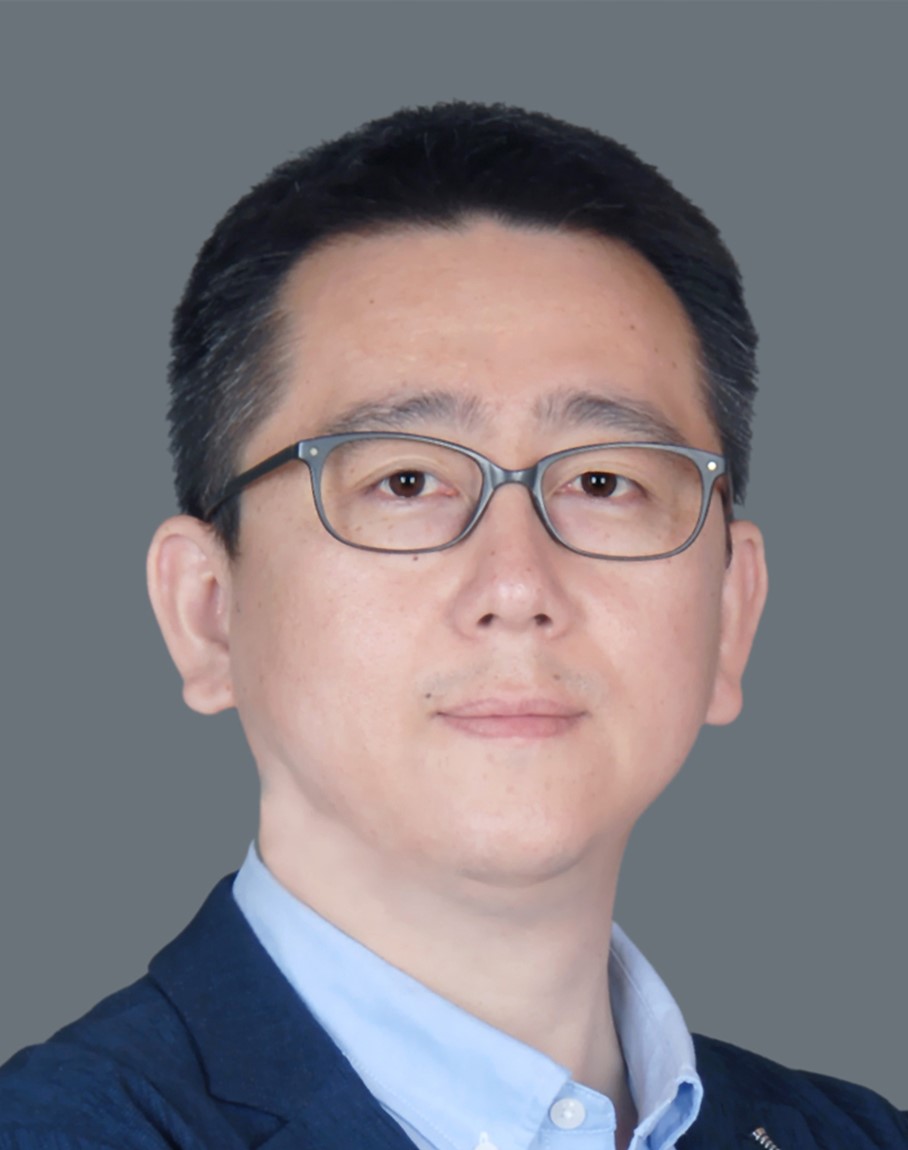
Chong Wang
Sichuan University, 24 South Section 1, 1st Ring Road, Chengdu, China,610065
chongwang@scu.edu.cn
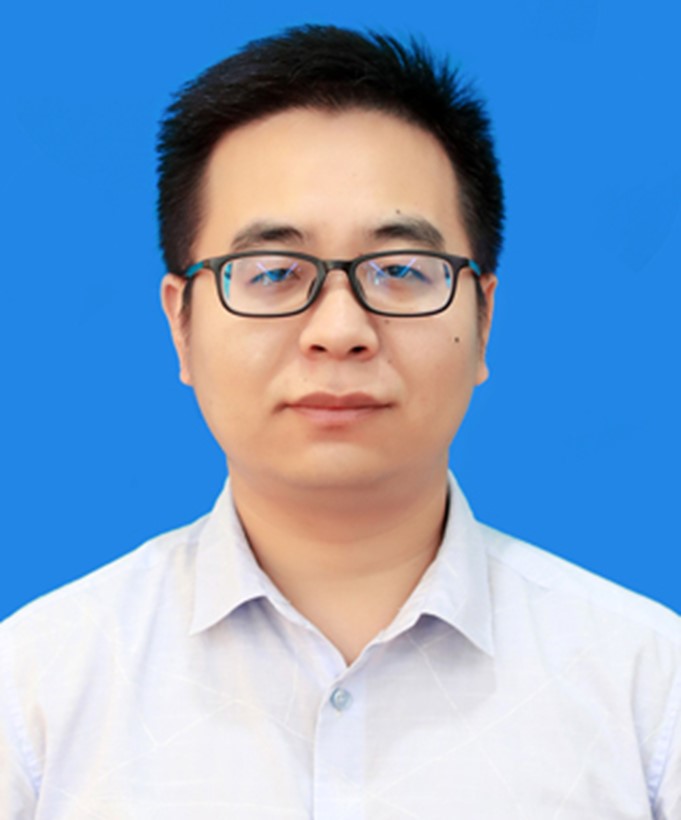
Zhengzhi Wang
Department of Engineering Mechanics, School of Civil Engineering, Wuhan University, Wuhan, Hubei 430072, China
zhengzhi.wang@whu.edu.cn
This session is dedicated to exploring experimental mechanics under extreme and complex environmental conditions, which challenge conventional measurement techniques and push the boundaries of material and structural behavior understanding. Topics of interest include, but are not limited to, mechanical responses under high-temperature, cryogenic, high-pressure, corrosive, dynamic multi-field coupling, and/or extreme loading rates. Advanced experimental methods, such as non-contact measurement, digital image correlation, in-situ testing, multi-scale measurements, and novel sensing technologies, will be highlighted to address the intricacies of deformation, fracture, and failure mechanisms. Applications range from traditional aerospace and energy systems to emerging fields such as deep-sea engineering, extreme manufacturing, biomechanics, and sustainable materials. By fostering interdisciplinary dialogue, this session aims to showcase cutting-edge research that bridges experimental innovation with theoretical and computational approaches, ultimately contributing to the safety, reliability, and performance of next-generation engineering systems.
SS#06 - Damage evolution and failure mechanisms in advanced bioceramics and composites
Chong Wei
School of Mechanical and Transportation Engineering, Northwestern Polytechnical University, Xi’an, China.
Mail address: chong.wei@nwpu.edu.cn

Fei Zhang
KU Leuven, Kasteelpark Arenberg 44, Belgium
Mail address: fei.zhang@kuleuven.be

Bo Su
University of Bristol, UK
Mail address: b.su@bristol.ac.uk

Shibao Li
Fourth Military Medical University, Xi’an, China
Mail address: lishibao@fmmu.edu.cn
The long-term performance of dental and orthopedic restorations is often limited by material degradation under complex physiological loads. Addressing critical clinical concerns regarding implant longevity and fracture risk, this symposium explores the microstructural evolution of advanced biomaterials during fabrication and service.
We welcome papers addressing fracture mechanics, damage sensing, and lifetime prediction models for brittle and quasi-brittle biomaterials. Special emphasis is placed on the behavior of ceramic implants and resin-based composites under clinically relevant cyclic loading and contact stress. This forum aims to bridge the gap between applied mechanics, materials science, and clinical applications to foster safer, more durable implant designs.
SS#07 - Novel Design Trends and Applications in Additive Manufacturing

Dario Croccolo
Department of Industrial Engineering, University of Bologna, Viale del Risorgimento 2, 40136 Bologna, Italy
dario.croccolo@unibo.it

Mattia Mele
Department of Industrial Engineering, University of Bologna, Viale del Risorgimento 2, 40136 Bologna, Italy
mattia.mele@unibo.it

Giorgio Olmi
Department of Industrial Engineering, University of Bologna, Viale del Risorgimento 2, 40136 Bologna, Italy
giorgio.olmi@unibo.it
Additive Manufacturing (AM) is widely adopted because it enables the rapid production of complex, monolithic parts and reduces time to market. Key research challenges include qualifying new materials and treatments, enabling multi-material processing, and assessing mechanical performance under variable loads. On the design side, AM supports structural and topology optimization, with growing interest in meta-materials and lattice structures for lightweight and sustainable solutions, supported by an appropriate selection of process parameters.
Papers dealing with these topics are particularly welcomed in this Special Session:
• Novel materials.
• Novel heat- or surface-treatments.
• Bi- and multi-material applications.
• Hybrid Additive Manufacturing.
• Dynamic and fatigue loads at room and high temperature conditions.
• Structural optimization, topological optimization.
• Metamaterials and lattice structures.
• Maximization of strength-to-weight or stiffness-to-weight ratios for eco-sustainability.
• Eco-sustainability of the process and energy consumption reduction pursued by a suitable choice of fabrication and post-fabrication parameters.
• Practical case studies with applications to automotive and industry.
SS#08 - Recent Advances in Thermoelastic Stress Analysis

Rosa De Finis
University of Salento, Department of Engineering for Innovation
rosa.definis@unisalento.it

Davide Palumbo
Polytechnic of Bari, Department of Mechanics, Mathematics, Management
Davide.palumbo@poliba.it
Thermoelastic Effect-based Stress Analysis (TSA) is a consolidated technique that provides information on stress/strain from the object’s temperature. The need for dynamic loading makes this technique attractive for characterizing/monitoring materials and structures under fatigue. Infrared Thermography enables non-contact full-field analysis with low material selection, preparation and test setup requirements. The above features have made TSA a versatile option for experimental stress analysis under dynamic loading conditions.
Advances in signal processing and hardware are continuously pushing the boundaries for effective applications of TSA-based experimental setups. This symposium aims to bring together practitioners of this technique to discuss state-of-the-art and future perspectives.
The TSA community is invited to submit abstracts in the following and related areas:
• Progresses in signal-processing strategies
• Use of low-cost infrared sensors
• Integration and data fusion with other full-field experimental/numerical techniques
• Second-harmonic analyses and higher-order Thermoelastic law
• TSA for the evaluation of fracture toughness and fatigue crack growth
• TSA for Structural Health Monitoring and damage detection
• Thermoelastic signal in anisotropic/non-homogeneous materials and structures
• Applications involving innovative and non-conventional materials
• TSA under vibration and high-frequency loading
• TSA in non-laboratory and large-scale setups
• Industrial Case Studies and Case Histories
SS#09 - Experimental Mechanics with in situ X-ray & neutron CT
Shengchuan Wu
State Key Laboratory of Rail Transit Vehicle System, Southwest Jiaotong University, Chengdu 610031, China
wusc@swjtu.edu.cn

Philip J. Withers
Henry Royce Institute, Department of Materials, The University of Manchester, Manchester M13 9PL, UK
p.j.withers@manchester.ac.uk
Advances in time resolved X-ray and Neutron computed tomography (CT) now provide an effective means of understanding the full-field damage in 3D over time of engineering materials and components in situ within the physics-based framework of fracture mechanics. These techniques are shining new light on ways to tailor the mechanical performance as a function of deformation and environment. Complementing post-mortem SEM, OM, etc., CT enables the potency of defects to be assessed, fracture mechanics quantities to be quantified in real time, or in a time-lapse manner over longer timescales, in components and test-pieces under static, fatigue, corrosion or thermomechanical loading. It can be combined with DIC/DVC to map strain fields, or with diffraction to map stress fields, or to quantitatively probe Processing-Structure-Property-Performance relationships in, for example, additive manufacturing. It can be used to setup up image-based multi-scale fracture mechanics modelling, or to validate analytical or numerical fracture mechanics models of damage accumulation. It can contribute to the estimation of safe life or to the qualification of safety critical parts, reducing the likelihood of unexpected failures, extending service lives and lowering maintenance costs. Contributions will encompass studies in structural mechanics, advanced materials, across the mechanical, aero, civil and materials sciences.
SS#10 - Celebrating the Career of Dr. Francesco Lanza di Scalea (by invitation only)
Piervincenzo Rizzo
Department Civil and Environmental Engineering, University of Pittsburgh, USA, pir3@pitt.edu
The year 2027 marks the 30th anniversary of Dr. Francesco Lanza di Scalea receiving his Ph.D. To celebrate three decades of pioneering contributions, we are pleased to host a special session celebrating his distinguished career.
Dr. Lanza di Scalea is currently a Distinguished Professor and holder of the TaylorMade Golf Company Endowed Faculty Fellowship in the Department of Structural Engineering at the University of California, San Diego, where he also directs the NDE and Structural Health Monitoring Laboratory. Over the last 30 years, he has developed novel testing and diagnostics technologies to assess the properties of materials and structures. His specialties include solid mechanics, structural dynamics, strain measurements, linear and nonlinear wave propagation, and many NDE methods applied to Health Monitoring and Experimental Mechanics problems. He is a Fellow of ASA, ASNT, SEM and ASME, the Associate Editor of several scholarly journals in the field, and the author or co-author of ~ 400 publications in journals and conference proceedings. Many of his former students are now professors in various Universities worldwide.
While the session is open to all attendees, please note that abstracts and presentations are by invitation only.
SS#11 - Thermographic Non Destructive Control and Monitoring for Structural Applications: New Frontiers in Technique and Data Management

Raffaella Sesana
DIMEAS Politecnico di Torino
Corso Duca degli Abruzzi 24, 10129 Torino, Italy
raffaella.sesana@polito.it

Francesca Curà
DIMEAS Politecnico di Torino
Corso Duca degli Abruzzi 24, 10129 Torino, Italy
Francesca.cura@polito.it

Ludovica Tromba
DIMEAS Politecnico di Torino
Corso Duca degli Abruzzi 24, 10129 Torino, Italy
Ludovica.tromba@polito.it
Nondestructive testing (NDT) is a key enabling technology for ensuring safety, reliability, and quality in both academic and industrial research. Infrared thermography offers full-field, noncontact measurements capable of revealing structural defects, damage evolution, and thermophysical properties of materials and components. However, achieving robust and repeatable data acquisition remains a major challenge due to environmental disturbances, variable boundary conditions, and complex material behaviors.
Recent advances in Machine Learning (ML) and Artificial Intelligence (AI) are opening new perspectives for thermographic NDT by enabling automated feature extraction, anomaly detection and predictive diagnostics. By integrating data-driven methods with physics-based models, thermography can evolve from a diagnostic tool to a proactive decision-support system.
This special session aims to explore state-of-the-art and emerging thermographic methodologies and techniques, ML- based approaches can enhance defect characterization, real-time monitoring and optimization of industrial processes. Particular attention will be given to robustness, interpretability, and scalability of these methods in real-world environments. Applications across multiple sectors, including academic research, aerospace, civil engineering, and manufacturing, will be discussed. The session will provide a multidisciplinary forum for researchers and industrial experts to share recent advances, challenges, and future perspectives in intelligent thermography for nondestructive evaluation and monitoring.
SS#12 - Multiphysics data analysis of accelerated fatigue tests
Dario Di Maio
Mechanical Engineering, MS3 department, University of Twente
d.dimaio@utwente.nl
Jafar Amraei
Department of Mechanics of Materials and Structures, Faculty of Civil and Environmental Engineering, Gdańsk University of Technology, Narutowicza 11/12, 80-233, Gdańsk, Poland
jafar.amraei@pg.edu.pl
This special session focuses on multiphysics data analysis, and experimental and modelling studies for accelerated fatigue testing of fibre-reinforced plastics (FRPs). A fundamental challenge in the application of FRPs is understanding their fatigue response across different loading regimes, ranging from low-cycle to very-high-cycle fatigue. Conventional fatigue testing is typically conducted at low cycle rates to avoid temperature-dependent material behaviour caused by self-heating. While this approach aligns with classical fatigue damage models assuming no variation of internal entropy caused by the temperature, it is often impractical for very-high-cycle regime due to excessive testing time and cost. On the other side, accelerated fatigue testing at higher loading rates provides a viable alternative but introduces complex multiphysics interactions arising from the viscoelastic nature of polymeric materials, which is called self-heating phenomenon. Self-heating effect may either remain within a stable regime, preserving structural integrity, or lead to pronounced thermal damage, microstructural degradation, and altering failure mechanisms. These multiphysics phenomenon complicates fatigue damage characterization and challenge the development of reliable life-prediction models. This special session calls paper on:
- Accelerated fatigue tests
- Fatigue damage characterization
- Thermo-mechanical modelling of fatigue behaviour
- Fatigue life prediction using entropy-based and energy-based approaches
- Acoustic emission and data-driven analysis of fatigue damage evolution
- Strategies for improving fatigue longevity in the presence of self-heating
- Fatigue behaviour of composites with different architectures and manufacturing processes, including 3D-printed composites
SS#13 - Self-Evolving Experimental Mechanics
Songtao Hu
State Key Laboratory of Mechanical System and Vibration, School of Mechanical Engineering, Shanghai Jiao Tong University, Shanghai 200240, China
hsttaotao@sjtu.edu.cn

Xiaobao Cao
Guangzhou National Laboratory, Guangzhou 510320, China
cao_xiaobao@gzlab.ac.cn
With the emergence of the fifth research paradigm, experimental mechanics is demonstrating new trends in self-evolving, i.e., automation (“do”) integrated with AI (“think”) for precise experimental mechanics (“do-while-think”). This workshop aims to facilitate academic exchange among researchers in self-evolving experimental mechanics. Contributions from academia and industry are welcome, focusing on three themes: 1) automated testing with advanced measurement toward “can do”; 2) AI-enabled analysis and decision-making toward “can think”; and 3) “do-while-think” self-evolving experimentation in engineering applications, including but not limited to mechanics challenges in materials science, life sciences, chemistry, and other fields.
SS#14 - Data-Driven Methods in Experimental Mechanics and Intelligent Dynamical Systems
Zhu Mao
Department of Mechanical and Materials Engineering
Worcester Polytechnic Institute, MA, USA 01609
zmao2@wpi.edu

Laihao Yang
School of Mechanical Engineering
Xi’an Jiaotong University, China
yanglaihao@xjtu.edu.cn
Recent advances in sensing, computation, and data-driven modeling are creating new opportunities in experimental mechanics and dynamics across mechanical, aerospace, and civil engineering. Researchers in these fields are increasingly adopting AI-enabled and data-centric techniques to address longstanding challenges in areas such as modeling, system identification, inverse analysis, uncertainty quantification, and structural health monitoring. These approaches are especially valuable for complex systems where conventional physics-based modeling alone may be difficult to calibrate, too costly to deploy, or insufficient to capture real-world behavior.
This session aims to bring together researchers in engineering mechanics and dynamics who develop and apply modern data-driven methods to solve domain-specific problems. The focus is on approaches grounded in mechanics, experiments, and physical interpretation, while leveraging state-of-the-art computational tools such as physics-informed learning, surrogate modeling, transfer learning, large language models, and related emerging AI techniques where they support engineering analysis, model development, dynamics extraction, or experimental workflows.
Topics of interest include, but are not limited to:
• Physics-informed machine learning for mechanics and dynamical systems
• Surrogate modeling of complex dynamical systems
• Full-field measurement techniques and system identification
• Inverse problems and uncertainty quantification
• Digital twins and structural health monitoring
• Predictive modeling and damage prognostics
• AI-based modeling techniques and their applications
SS#15 - Strain- and deflection-based SHM of Civil Structures and Infrastructure

Branko Glisic
Princeton University
E205 EQuad
Princeton, NJ 08544, USA
bglisic@princeton.edu

Daniele Zonta
University of Trento, Via Mesiano 77, 38123 Trento Italy
daniele.zonta@unitn.it
Strain and deflection are important quantities which reflect structural behaviors. Both strain and deflection can be correlated to stress and thus can be used for safety assessment of structure. Both strain and deflection can also be correlated to design of the structure, thus can be used for serviceability assessment of structure. Finally, strain and deflection are inherently correlated to each other, and thus their measurements can be used for mutual verification and validation of collected data. Hence, this session invites and showcases both research and applications which central topic is related to strain- or deflection-based SHM of civil structures and infrastructure. The session is open to wide range of contributions, including, but not limited to, development or application of sensors and sensing technologies, development or application of methods for monitoring various parameters derived from strain or deflection (e.g., location of neutral axis, thermal behaviors of structures, prestress losses, differential settlement of foundations, cracking and crack propagation, etc.), and development or application of algorithms for evaluation of structural safety and performance. Both physics-based and data-driven (machine learning / artificial intelligence) approaches are welcomed, as well as both scaled lab tests and real-life applications.
SS#16 - Experimental Characterization of Natural Fiber-Reinforced Composites

Vincenzo Fiore
Department of Engineering, University of Palermo
Viale delle Scienze, Edificio 6, 90128 Palermo
vincenzo.fiore@unipa.it

Antonino Valenza
Department of Engineering, University of Palermo
Viale delle Scienze, Edificio 6, 90128 Palermo
antonino.valenza@unipa.it
This special session focuses on the latest advancements in the experimental analysis and mechanical behavior of composites reinforced with natural fibers (such as flax, hemp, jute, or basalt). As industries shift toward sustainable and bio-based materials, understanding the complex interface between natural reinforcements and polymer or geopolymer matrices becomes critical.
We invite contributions that explore the physical, thermal, and mechanical properties of these materials through rigorous experimental methodologies. Key topics can include:
- Failure Analysis: Investigating damage mechanisms, delamination, and impact resistance.
- Environmental Aging: Assessing the effects of moisture absorption, salt-fog and/or UV exposure, and thermal degradation on structural integrity.
- Interface Characterization: Evaluating fiber-matrix adhesion and the impact of chemical treatments on bonding strength.
- Innovative Testing: Application of Non-Destructive Testing (NDT) and advanced sensing technologies in natural fiber-reinforced composite evaluation.
The goal of this session is to provide a forum for researchers to discuss the technical challenges and opportunities in replacing synthetic reinforcements with eco-friendly alternatives without compromising performance or reliability.
SS#17 - Experimental Approaches to Quantifying and Understanding Hydrogen Embrittlement in Steels

Chiara Colombo
Politecnico di Milano
Department of Mechanical Engineering
Campus Bovisa, Building B22
Via Giuseppe La Masa, 1 – 20156 Milan, Italy
E.mail: chiara.colombo@polimi.it

Luis Borja Peral
University of Oviedo
Department of Material Science and Metallurgical Engineering
Campus of Gijón, East building
33203 Gijón, Asturias, Spain
E.mail: luisborja@uniovi.es

Inés Fernández-Pariente
University of Oviedo
Department of Material Science and Metallurgical Engineering
Campus of Gijón, East building
33203 Gijón, Asturias, Spain
E.mail: inesfp@uniovi.es
Hydrogen embrittlement remains one of the most critical challenges affecting the reliability and lifetime of structural steels across energy, transportation, and infrastructure applications. Despite extensive research, a comprehensive understanding of the mechanisms governing hydrogen uptake, trapping, diffusion, and cracking is still limited by the complexity of accurately measuring hydrogen at relevant scales. This Special Session aims to gather researchers and experts to present and discuss recent advances in experimental tools and methodologies dedicated to evidencing this phenomenon.
Contributes focused on these topics are welcome:
• in situ and ex-situ hydrogen charging techniques
• time resolved characterization
• novel testing methodologies (e.g., TDS, XRD, in situ electrochemistry, etc.)
• testing environments (e.g., high-pressure hydrogen, cyclic loading, corrosive media)
• mitigation strategies
• effects of stress, temperature, strain rate, and environment coupling
• material selection and design
• case studies (e.g., pipelines, storage tanks, etc.)
SS#18 - Full-Field Measurement for Data-Rich Material Characterization

Marco Rossi
Università Politecnica delle Marche
Via brecce bianche 12
60131 Ancona, Italy
m.rossi@univpm .it

Marco Sasso
Università Politecnica delle Marche
Via brecce bianche 12
60131 Ancona, Italy
m.sasso@univpm.it
This session focuses on the use of full-field measurements not merely as visualization tools, but as quantitative inputs for the identification of material behavior. Despite the increasing availability of spatially rich data, extracting robust, identifiable, and physically meaningful parameters remains a major challenge.
Contributions are therefore encouraged on the design of data-rich experiments specifically tailored for parameter identification, as well as on the integration of measurement techniques (e.g., DIC, interferometry, grid methods) with inverse methods and model calibration strategies.
Attention will be given to the coupling between measurement and identification, including issues such as sensitivity, identifiability, uncertainty quantification, and robustness under complex loading paths or challenging experimental conditions.
Contributions on multi-modal data fusion and hybrid approaches combining physics-based models with data-driven methods are also welcome, provided they address clear gains in interpretability or predictive capability.
The session aims to bring together contributions addressing both the potential and the current limitations of full-field methods for quantitative material characterization.
SS#19 - Advancement in experimental techniques for novel and challenging applications

Ming-Tzer Lin
Graduate Institute of Precision Engineering, National Chung Hsing University, 145 Xingda Road, South District, Taichung City 402, Taiwan.
mingtlin@dragon.nchu.edu.tw
Ming-Yuan Shen
Graduate Institute of Precision Engineering, National Chung Hsing University, 145 Xingda Road, South District, Taichung City 402, Taiwan.
myshen@email.nchu.edu.tw

Chi-Hung Hwang
Taiwan Instrument Research Institute, National Applied Research Laboratories, No. 20, R&D Rd. VI, Hsinchu Science Park, Hsinchu 300092, Taiwan.
chhwang@narlabs.org.tw

Wei-Chung Wang
Department of Power Mechanical Engineering, National Tsing Hua University, 101, Section 2, Kuang-Fu Road, Hsinchu 30013, Taiwan.
wcwang@pme.nthu.edu.tw

Yu-Ching Lee
Department of Mechanical Engineering, National Taiwan University of Science and Technology, No. 43, Section 4, Keelung Road, Taipei 106335, Taiwan.
yclee@mail.ntust.edu.tw
This special session focuses on the recent advances in experimental techniques for novel and challenging applications in experimental mechanics and related fields. It aims to provide a forum for researchers and engineers to present innovative measurement methods, advanced instrumentation, and emerging experimental approaches that address new scientific and engineering problems. The session is intended to be interdisciplinary and welcomes contributions from academia and industry working on both fundamental development and practical implementation of experimental techniques. Topics of interest include, but are not limited to, new measurement systems, practical applications of experimental mechanics, experimental methods for MEMS and nanotechnology, biomechanics, green and sustainable technologies, infrared thermography, energy and power systems, novel materials, and medical engineering. By bringing together researchers from diverse areas, this session seeks to promote knowledge exchange, encourage collaboration, and highlight experimental solutions for complex and challenging applications.
SS#20 - Multimodal NDE

Sruthi Krishna Kunji Purayil
Research Scientist, Bundesanstalt für Materialforschung und –prüfung (BAM), 12489 Berlin, Germany
sruthi-krishna.kp@bam.de

Somsubhro Chaudhuri
Research Scientist, Bundesanstalt für Materialforschung und –prüfung (BAM), 12489 Berlin, Germany
somsubhro.chaudhuri@bam.de
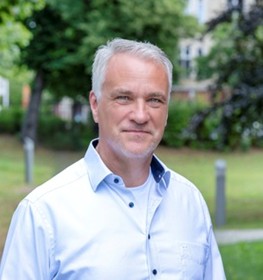
Ernst Niederleithinger
Division Head, Bundesanstalt für Materialforschung und –prüfung (BAM), 12205 Berlin, Germany
ernst.niederleithinger@bam.de
This special session will focus on multimodal non-destructive evaluation (NDE), where complementary features from different NDE modalities are combined to achieve more reliable and comprehensive inspection results. The emphasis is on integration and data fusion, rather than on stand-alone methods. Contributions are invited that demonstrate how multimodal approaches advance defect detection, material characterisation, and decision-making beyond the capabilities of individual inspection methods.
Areas of interest include, but are not limited to:
• Multimodal data fusion strategies (signal-, feature-, and decision-level).
• AI- and ML-driven integration of different NDE modalities.
• Comparative or complementary use of multiple methods (e.g., infrared thermography, ultrasonics, acoustic emission, X-ray/CT, eddy current, etc.).
• Extracting multimodal features from a single method (e.g., Amplitude/phase/thermal contrast, etc.).
• Simulation-assisted multimodal evaluation and digital twins.
• Applications where multimodal NDE adds clear value (e.g., Additive manufacturing, structural health monitoring, cultural heritage, etc.).
SS#21 - Energy Absorbing Materials and Structures

Bonnie R. Antoun
Mechanics of Materials Department
Sandia National Laboratories
7011 East Avenue
Livermore, CA 94550

Moira M. Foster
Lawrence Livermore National Laboratory
7000 East Avenue
Livermore, CA 94550

Amanda R. Jones
Experimental Solid Mechanics
Sandia National Laboratories
1515 Eubank Blvd. SE
Albuquerque, NM 87123
This special session is focused on experimental and modelling studies of energy absorbing materials and structures and their applications in various technical fields. Conventional and advanced and emerging materials and structures are necessary to protect valuable and fragile parts during shock, impact and large deformation events. The application space is extensive and includes automotive, personal protective gear, aerospace, machinery, military and weapon applications, transportation, energy infrastructure, structural engineering, packaging and more.
Topics of interest include, but are not limited to:
• Characterization of energy and shock absorbing materials under various loading conditions, such as quasistatic deformation, acoustic or vibrational loading, impact loading, and shock environments
• Modelling at multiple length scales
• Performance at multiple length scales
• Understanding mechanisms of deformation, shock mitigation and energy absorption
• Natural or engineered energy-absorbing materials including foams, polymers, metamaterials, additively manufactured lattices and structures, cellular materials, composites, rubbers, woods, etc.
• New and emerging materials and structures, including AI-designed or influenced
SS#22 - Strength Assessment and In-Service Monitoring of Large-Scale Structures

Xiaomo Jiang
School of Energy and Power Engineering, Dalian University of Technology, Dalian, 116024, China
xiaomojiang2019@dlut.edu.cn
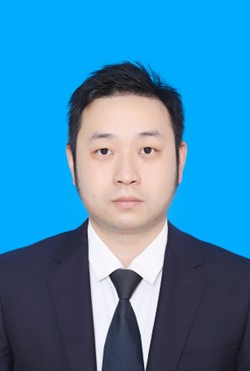
Caihua Zhou
Department of Engineering Mechanicals, Dalian University of Technology, Dalian 116024, China
zhoucaihua@dlut.edu.cn

Licheng Zhou
Department of Engineering Mechanics, South China University of Technology, Guangzhou 510640, China
ctlczhou@scut.edu.cn
Large-scale structures serve as the foundational components of critical equipment in energy, transportation, and other sectors, where rigorous strength assessment and in-service monitoring are paramount to safety and reliability. High-fidelity reproduction of in-service loading conditions, coupled with comprehensive exploitation of monitoring data for structural diagnostics, is pivotal to achieving highly efficient, high-precision strength assessment and highly reliable, long-lifecycle operation and maintenance.
This special session focuses on innovative experimental methodologies, including operation and maintenance diagnostic models, high-density IoT sensor networking, precision assembly of large-scale experiment, virtual experiments. This session aims to address challenges in high-precision load application and full-field measurement, elucidate the intrinsic correlations between multi-source experimental data and structural performance, and establish a physics-informed data fusion framework. Ultimately, this session provides advanced experimental methodological support for the design, validation, and intelligent lifecycle management of next-generation large-scale equipment in the aviation, aerospace, marine, and energy domains.
SS#23 - Experimental Mechanics of Heterogeneous Materials at Small and Large Scales

Bernhard Pichler
TU Wien (Vienna University of Technology), Austria, EU
Bernhard.Pichler@tuwien.ac.at

Luis Zelaya-Lainez
TU Wien (Vienna University of Technology), Austria, EU
Luis.Zelaya@tuwien.ac.at

Branko Savija
Delft University of Technology, The Netherlands, EU
B.Savija@tudelft.nl

Erik Schlangen
Delft University of Technology, The Netherlands, EU
Erik.Schlangen@tudelft.nl
This special session focuses on experimental methods for the characterization of heterogeneous media. Materials of interest include, but are not limited to, cementitious materials, biomaterials, ceramics, polymers, geomaterials, and metal-matrix composites.
Particularly welcome are contributions on small-scale methods providing insight into elastic stiffness, compressive and tensile strength, fracture properties, deformation behavior, deterioration mechanisms, and/or related phenomena in small-scale composites, individual material phases, and/or interfaces. Methods providing input for upscaling approaches aimed at establishing quantitative links between microstructure and macroscopic properties are especially encouraged. These methods include, but are not limited to, nano- and microindentation, FIB-based specimen preparation, AFM-based testing, micropillar compression, micro-cantilever bending, high-resolution 2D imaging by SEM, digital image correlation methods, high-resolution 3D imaging by X-ray micro-CT, and digital volume correlation methods.
Large-scale methods of interest include destructive and non-destructive testing methods that provide experimental data for the validation of upscaling approaches.
SS#24 - Process-Driven Localized Mechanical Response in Additive Manufacturing

Manuela Galati
Politecnico di Torino, Corso Duca degli Abruzzi 24, Torino
manuela.galati@polito.it

Mauro Ricotta
Department of Industrial Engineering – University of Padova
Via Venezia, 1 – 35131 Padova (Italy)
mauro.ricotta@unipd.it
Additive manufacturing enables material systems and structures characterized by spatially non-uniform mechanical response arising from complex geometries, architected layouts, local irregularities, and non-conventional load-transfer mechanisms. These features may promote localized deformation, instability phenomena, progressive damage evolution, and unconventional failure mechanisms that challenge traditional experimental and modelling approaches.
This special session focuses on the experimental investigation and mechanics interpretation of localized mechanical phenomena in additively manufactured materials and structures across multiple length scales. Emphasis is placed on studies combining experiments with process-aware modelling or simulation approaches, as well as on understanding how local mechanical fields evolve and interact under both static and fatigue loading conditions, and how such behaviors influence structural response, durability, and functionality. Topics of interest include, but are not limited to:
• Correlation between local mechanical fields and structural response
• Non-uniform and path-dependent mechanical response
• Instability and failure mechanisms in architected and lattice materials
• Damage initiation and evolution in complex AM geometries
• Mechanics of graded, cellular, and metamaterial architectures
• Coupled experimental and computational approaches for localized response analysis
The session welcomes contributions on metallic, polymeric, composite, ceramic, and multi-material additive manufacturing systems, spanning both fundamental studies and application-oriented investigations in advanced engineering structures and functional materials.
SS#25 - Wearable Sensors and Human Performance Assessment
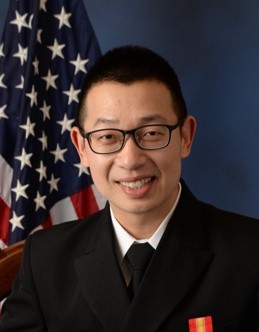
Ken Loh
Department of Structural Engineering
Department of Chemical & Nano Engineering
Materials Science & Engineering Program
University of California San Diego, 9500 Gilman Dr MC 0085, La Jolla, CA 92093-0085, USA, kjloh@ucsd.edu
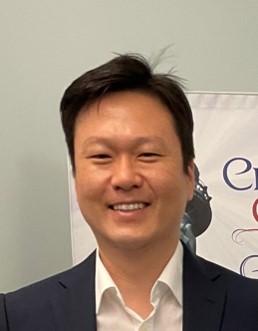
Donghyeon Ryu
Department of Mechanical Engineering, New Mexico Tech, 801 Leroy Place, Socorro, NM 87801, USA
801 Leroy Place, Socorro, NM 87801, USA
donghyeon.ryu@nmt.edu
Individuals and teams are cornerstones of every industry – hospitals, schools, corporate offices, athletics, and the military. Successful, efficient, and effective task execution – particularly physical-cognitive tasks to achieve a desired objective, such as hitting a golf ball, performing precision surgery, and putting out a fire – require individuals and/or the collective team to perform at their highest level. However, technologies that can measure and accurately quantify human performance are still lacking. The ones that do exist, such as commercial wearables and Internet-of-Things (IoT) technologies, only provide snapshots or gross information about human activity. This special session is soliciting contributions focused on sensing the physiological and psychological conditions of human performance, as well as interventions for enhancing performance. Examples topics of interest include: (1) wearable IoT technologies and feedback mechanisms; (2) bio-marker, biochemical, and bio-molecular sensing; (3) modelling of biological materials and systems; (4) static/dynamic characterization of human systems; (5) cognition and cognitive load measurements and modelling; (6) human digital twins; (7) human-structure interfaces; (8) augmented/virtual/mixed reality and data visualization methods; (9) digital health systems and personal well-being technologies; (10) laboratory and field validations; (11) artificial intelligence in human modelling, characterization, performance assessment, and enhancement; and (12) sports, military, medical, rehabilitation, and biomechanical applications.
SS26 - Experimental Mechanics in Biomechanics and Medical Devices

António Ramos
TEMA, Mechanical Engineering Department,
University of Aveiro, Portugal
a.ramos@ua.pt

José Simões
ESD.IDEA – Research in Design and Art
Av. Calouste Gulbenkian 907, 4460-268 Senhora da Hora, Portugal
josesimoes@esad.pt
This special session aims to bring together researchers working at the interface of experimental mechanics, biomechanics, and medical device engineering. Recent advances in experimental techniques have enabled improved understanding of the complex mechanical behavior of biological tissues, biomaterials, and implantable devices, supporting the development of safer and more effective healthcare solutions.
The session will highlight cutting-edge methodologies such as Digital Image Correlation (DIC), Digital Volume Correlation (DVC), optical and full-field measurements, as well as multiscale and multiphysics experimental approaches. Contributions are encouraged on topics including mechanical characterization of biological tissues, experimental evaluation of medical devices (e.g., implants, prosthetics and tissues), validation of computational models, and testing of innovative biomaterials and bio-inspired systems.
Particular emphasis will be given to in situ and in vivo techniques, patient-specific approaches, and experimental methods that support clinical translation and personalized medicine. Issues related to uncertainty quantification and reproducibility are also welcome.
SS27 - Experimental Mechanics of Advanced and Multifunctional Metamaterials

Ke Wang
Institute of Applied Physics (APH), Karlsruhe Institute of Technology (KIT), Campus South, Building 30.23, Wolfgang-Gaede-Str. 1, 76131 Karlsruhe, Germany
Amyke0807@gmail.com
Metamaterials and architected materials provide unprecedented opportunities to achieve mechanical, thermal, wave, and transport functionalities beyond those available in conventional materials. This Special Session aims to bring together researchers working on the design, fabrication, experimental characterization, and physical understanding of advanced and multifunctional metamaterials and architected systems. Particular attention will be given to experimental investigations of emerging and unconventional phenomena, including mechanical responses, elastic and acoustic wave manipulation, thermal and fluid transport, multifunctional behavior, anomalous transport, and nonlocal effects. Contributions addressing novel experimental methods, measurement and characterization techniques, advanced fabrication strategies, and the integration of experiments with theoretical and numerical approaches are particularly welcome. The session aims to provide a forum for interdisciplinary exchange among researchers in experimental mechanics, metamaterials, and related fields, and to highlight emerging opportunities in the experimental realization and characterization of advanced architected materials.